
OUR VISION
is for Alberta
to have a diversified economy
with competitive industries
that deliver sustainable environmental outcomes and attract investment.
MESSAGE FROM
THE CHAIR

“Through strategic investments, deepened alliances with governments and industry, and an unwavering commitment to measurable, inspiring outcomes, ERA will empower Alberta to emerge not just competitive and resilient, but as a global leader in emissions-reducing innovation.”
Kelly J. Ogle
Board Chair, ERA
MESSAGE FROM
THE CEO
“This 2026–29 Business Plan reflects ERA’s readiness to lead through complexity, to convene those shaping the future, and to accelerate the adoption of technologies that deliver real economic and environmental value. I am confident in our team, grateful to our partners, and optimistic about the role ERA will continue to play in Alberta and across Canada.”
Justin Riemer
CEO, ERA


Portfolio
Impact
investment in technology innovation projects
Economic Outcomes
Environmental Impact
Efficiency Incentive Programming
Advancing towards
Commercialization
As indicated by:
- Achievement of commercial operations for projects starting at TRL 9+
- Successful commercial-scale demonstration and/or achieving commercial availability for projects starting below TRL 9
Data in this Business Plan is as of April 2026. Download the 2026-2029 Business Plan for details.
STRATEGIC
PRIORITIES
ERA has three strategic priorities to deliver on its mandate and vision for Alberta. These priorities serve as the framework for deliberate initiatives that will be implemented over the next three years.
ACCELERATE TECHNOLOGY
Invest in de-risking innovative technologies that improve the competitiveness of Alberta’s industries while reducing emissions and enhancing the province’s environment and ecosystems.
DRIVE COMMERCIALIZATION
Convene the right resources to accelerate the adoption of technology solutions that lead to economic growth and environmental sustainability.
MAXIMIZE IMPACT
Maximize ERA’s impact beyond technology support by sharing knowledge and striving for operational excellence.

strategic priority 1
ACCELERATE
TECHNOLOGY
Invest in innovative technologies that help industries in Alberta reduce emissions and mitigate environmental impacts while improving global competitiveness.
ERA supports the advancement of technologies that reduce emissions at different stages of deployment, aiming to de-risk, validate, scale, and ultimately implement a wide range of technology solutions across Alberta’s major industrial sectors. ERA’s investments in this strategic priority area primarily take the form of non-repayable grants to pilot, demonstrate, and deploy projects, with investment themes guided by ERA’s TRM.
Develop and release an updated TRM
In 2026, ERA will produce the sixth edition of its Technology Roadmap (TRM). The TRM serves as ERA’s investment strategy, aligning with the Government of Alberta’s priorities and innovation needs. ERA will consult with stakeholders and partners across government, industry, and post-secondary to ensure the TRM reflects the international and national context while maintaining a focus on five cross-cutting technology areas.
Identify solutions that reduce emissions for Alberta industries
ERA will continue to enhance its scouting capacity with support from strategic partners to bring emissions-reducing technology to Alberta. ERA will leverage its provincial, national, and international partners to tap into local and global innovation activity. ERA will also take steps to improve the pipeline at early TRL stages, including increased collaboration with Alberta Innovates to catalyze projects at earlier stages.

Deliver competitive funding calls and continuous intake programming
For the term of this Business Plan, ERA anticipates delivering two major competitive funding calls annually.

Industrial Transformation Challenge
Scheduled each spring, the annual Industrial Transformation Challenge improves Alberta’s competitiveness and environmental performance by de-risking, demonstrating, and deploying a wide range of solutions with the potential to deliver significant improvements across the province’s major industries.


Annual Targeted Calls
Launched each fall, targeted calls address emergent strategic needs based on ongoing analysis of the innovation landscape, technology trends, and industry needs. Similar to the Drilling Technology Challenge and Tailings Technology Challenge, these calls are intended to complement the annual Industrial Transformation Challenge and draw upon themes from the TRM and other sources.
Potential focus areas include:
- Agriculture and agri-food
- Electricity, grid resilience, and digital solutions
- Resource optimization, critical minerals, and nature-based approaches
The Continuous Intake Program
While most of ERA’s funding is distributed through competitive funding calls, the Continuous Intake Program enables ERA to remain nimble in addressing gaps, ensuring that high-potential and strategically important projects can be evaluated outside the traditional call-for-proposals cycle.
Core to this approach is a referral process that allows ERA to evaluate projects referred by Trusted Partners: organizations with rigorous, fair, and transparent processes comparable to ERA’s own. This process allows ERA to leverage funds and due diligence, share risk, and reduce administrative burden for applicants.

strategic priority 2
DRIVE
COMMERCIALIZATION
Convene the right resources to accelerate the adoption and broader commercial deployment of clean technology solutions that lead to economic growth, emissions reduction, and wider environmental benefits in Alberta.
ERA leverages government programming and other technology funding opportunities to optimize funding for commercialization efforts and maximize the economic benefits and environmental impacts for Alberta. We aim to reduce barriers to commercialization through thought leadership, knowledge sharing, and convening ecosystem support.
Deliver the Methane Reduction Deployment Program
ERA launched the $22.4 million Methane Reduction Deployment Program in 2025 to help Alberta’s oil and gas industry cut methane emissions faster and more cost-effectively. The program runs concurrently with the NGIF Accelerator’s new $7 million Methane Reduction Demonstration Program. The program is purpose-built to lower capital risk, accelerate technology deployment, and help producers position themselves ahead of regulatory requirements. The program will continue until March 31, 2029, or until funding is fully allocated.
Deliver the Strategic Energy Management for Industry program
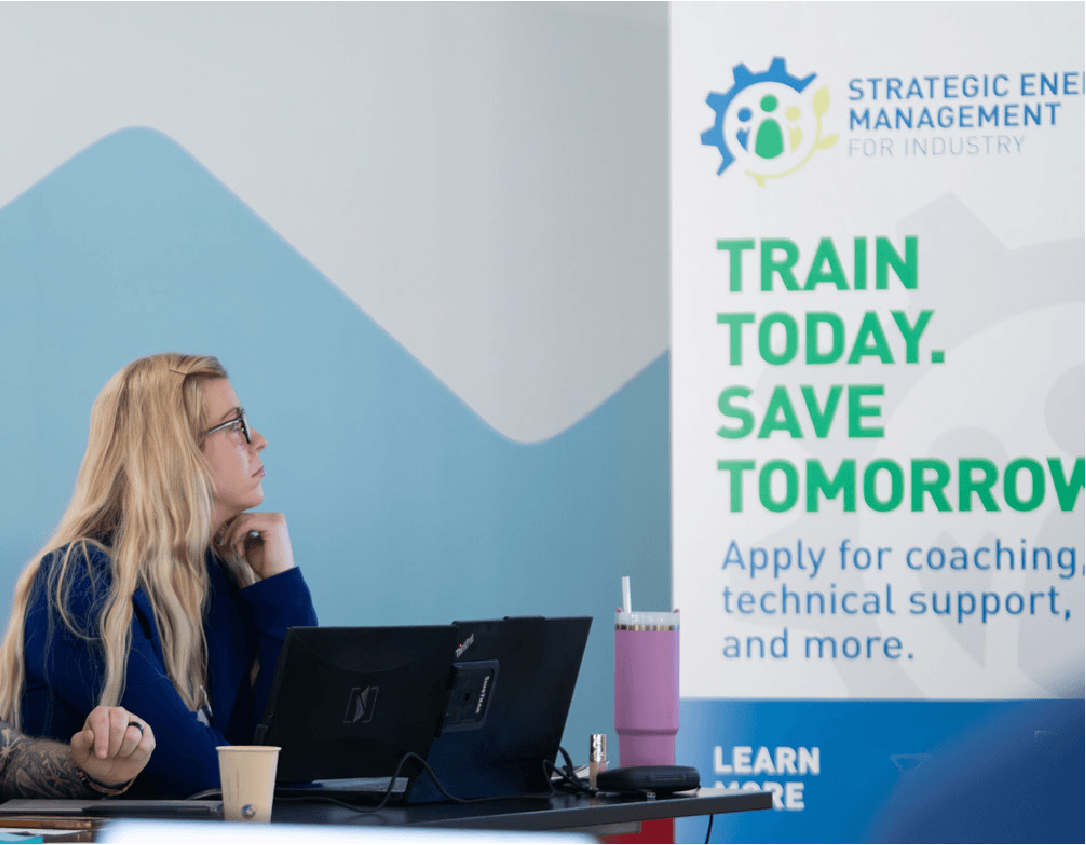
Funded by the Government of Alberta and Natural Resources Canada (NRCan), the $70 million Strategic Energy Management for Industry (SEMI) program supports the province’s industrial and manufacturing sectors in developing internal capacity, improving energy efficiency, cutting operational costs, and reducing emissions. One of the most successful government-funded energy-efficiency incentive programs in the country, SEMI will continue until March 31, 2027, or until funding is fully allocated.
Support Clean Energy Transition Partnerships (CETP)
ERA is a member of the Clean Energy Transition Partnership (CETP), an initiative that enables 50 national and regional funding partners from 30 countries to align on priorities and pool budgets for annual funding calls through 2027. ERA will continue to work with CETP on its annual Joint Calls, including adjudicating Joint Call 2025.
Continued support of the Next Generation Energy Innovation Challenge
In 2026-27, Decentralized Energy Canada (DEC) plans to complete the second intake of its Next Generation Energy Innovation Challenge, which aims to accelerate the adoption of near-commercial innovative energy technologies. ERA committed $100,000 in funding to support the challenge’s operations and will provide emissions quantification support as an in-kind service to Challenge winners, and with additional funding, ERA will partner with DEC to showcase the Challenge’s results.
Ongoing support for CCUS research
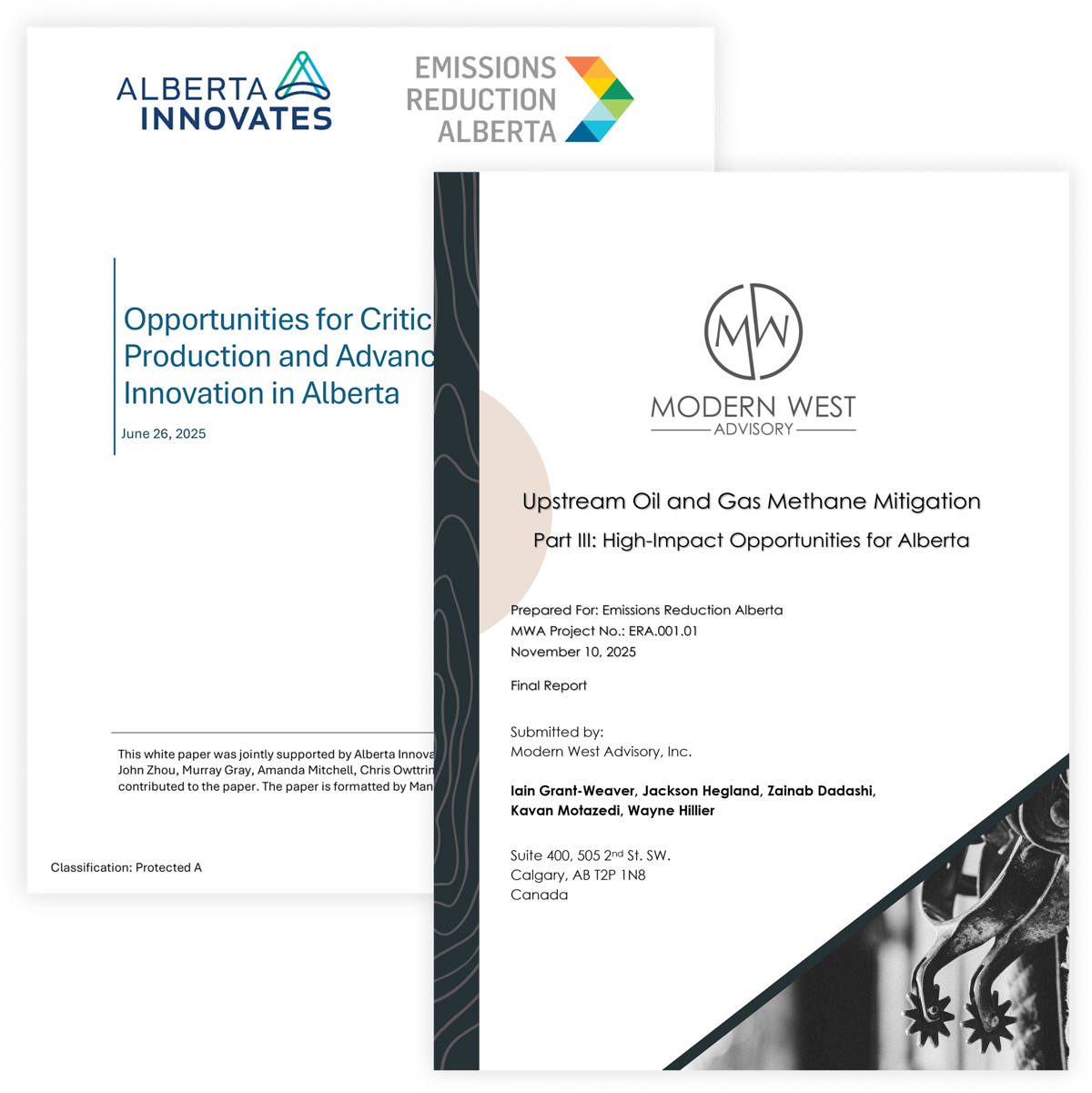
ERA and the International CCS Knowledge Centre continue to advance Carbon Capture Kickstart Challenge projects, share learnings from these studies, and support waterSMART in its work to understand the water impacts of CCUS in Alberta.
Alleviate barriers to commercialization
To continue to position Alberta as a strategic hub for cleantech commercialization, ERA will continue to strengthen and further leverage strategic partnerships along the innovation continuum to help build a pipeline of high-potential, market-ready technologies while maximizing the impact of public investment. ERA will continue to work with post-secondary and business and technical support service providers such as Avatar Innovations, Foresight Canada, Platform Calgary, Edmonton Unlimited, PTAC, CRIN and Alberta Innovates to help ensure entrepreneurs and innovators have the business capacity and skills to advance their technology toward commercialization. Over the next three years, ERA will also continue to focus on sharing lessons from proponents’ commercialization journey.

strategic priority 3
MAXIMIZE
IMPACT
Maximize ERA’s impact beyond technology support by sharing knowledge and striving for operational excellence.
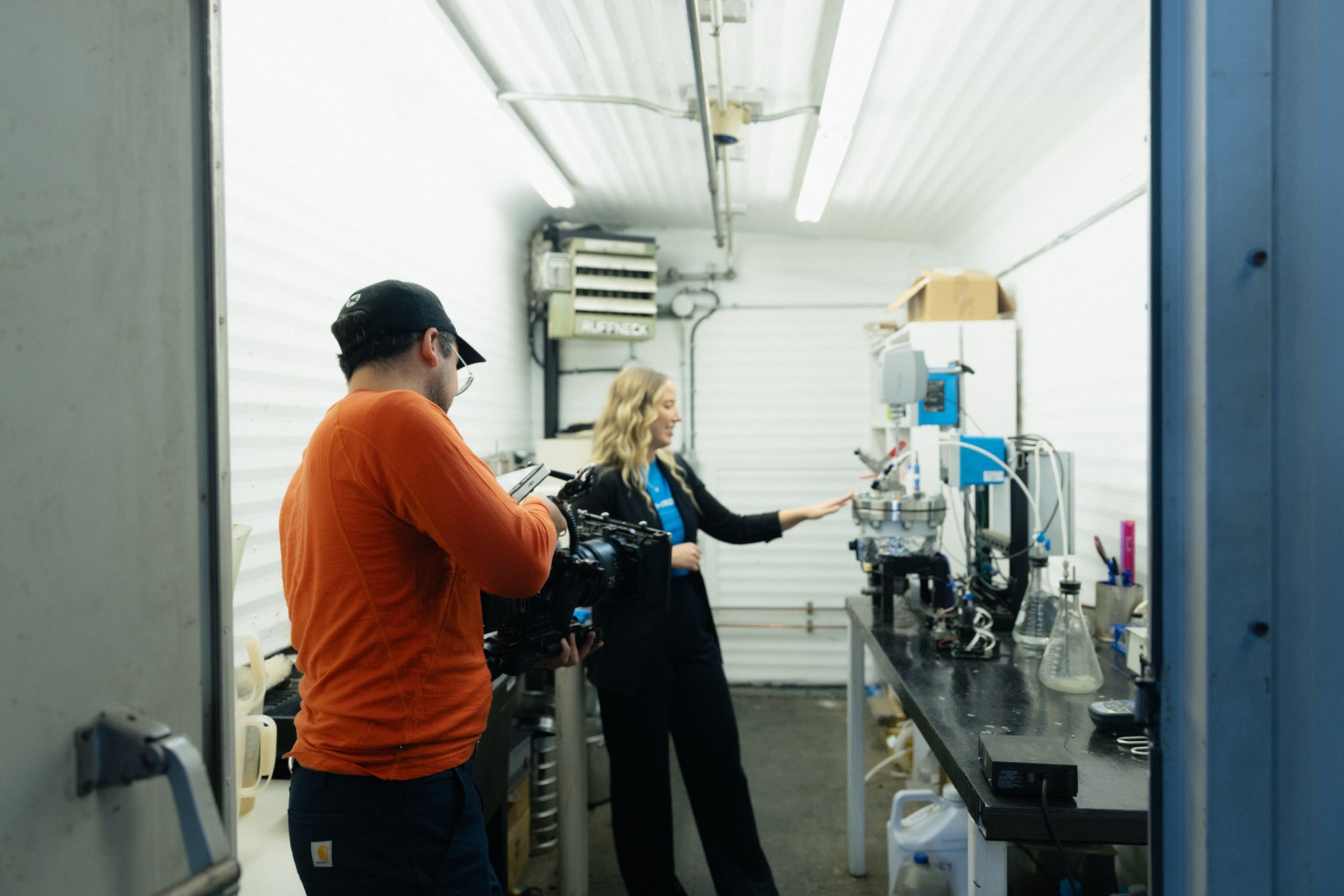
ERA’s success stories, lessons learned, and project outcomes highlight Alberta’s proactive approach in delivering the environmental and economic results the world requires. Promoting knowledge sharing and collaboration across the broader industry helps accelerate the commercialization and proliferation of successful technologies.
Share portfolio insights, technology analysis, and reports
ERA will share comprehensive qualitative and quantitative research from across key areas of the portfolio, including methane management, oil and gas, forestry, heavy industry (cement, petrochemicals), agriculture, and
advanced materials/circular economy. Communication tactics will highlight commercialization challenges, success factors, barriers, lessons learned, and additional support needs, providing deep insights into technology development and market adoption.
Develop impact stories
From 2026–29, ERA will build on its content strategy by using portfolio and technology analyses to create engaging, knowledge-driven content for blogs, videos, podcasts, and other communication platforms. ERA will expand its digital reach by sponsoring content across social media platforms and sharing materials with key stakeholders, ensuring broader dissemination of portfolio insights.
Host proactive briefings with provincial and federal governments
ERA will continue to share regular briefings on project progress with the Government of Alberta’s Ministry of Environment and Protected Areas and other provincial and federal ministries and funding agencies when appropriate. The Government of Alberta and the Government of Canada’s senior officials, departments, and agencies will be provided with relevant information on ERA’s investment impacts on emissions reductions and Alberta’s economic growth.
Host and co-host knowledge-sharing events and workshops
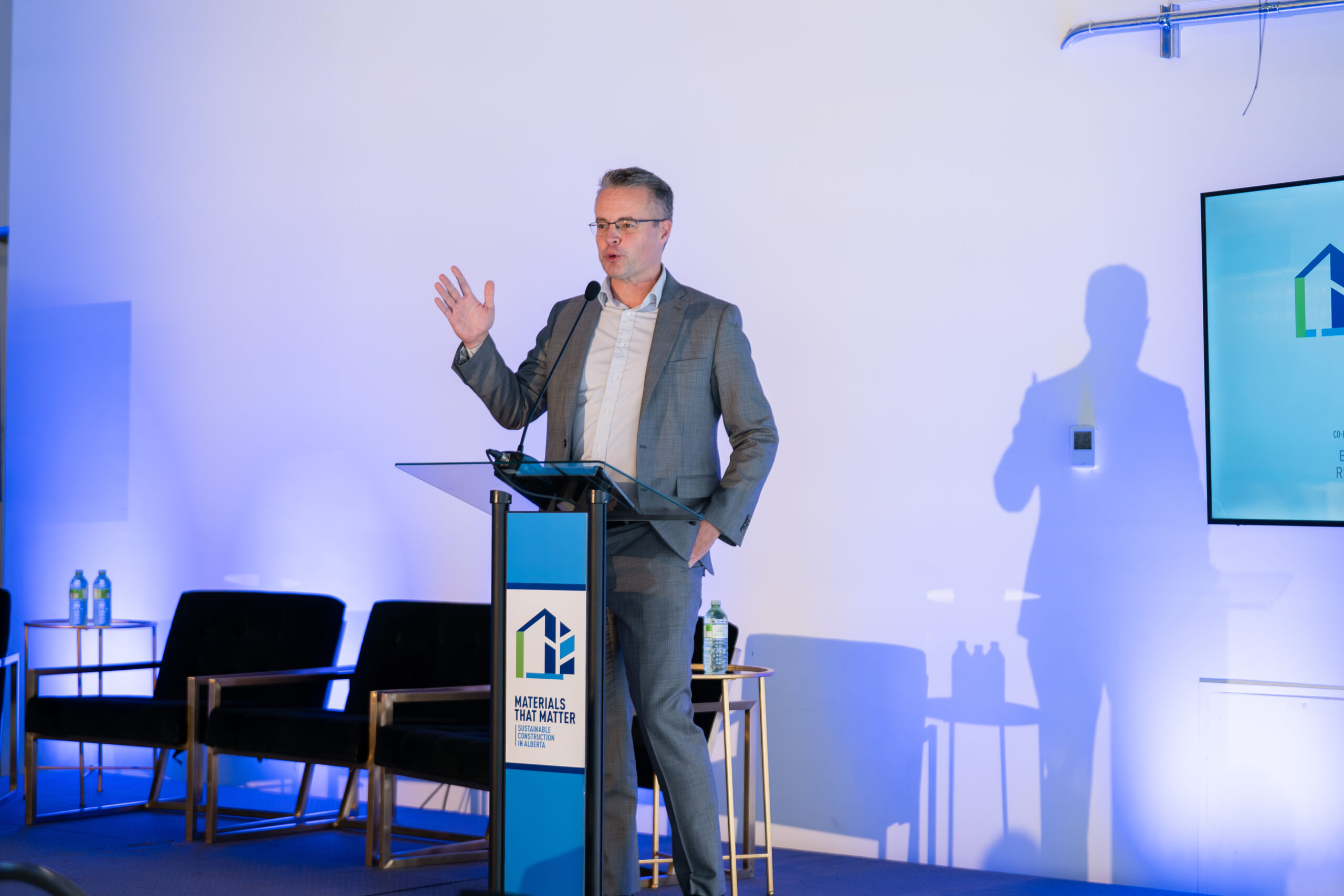
Throughout 2026–2029, ERA will capitalize on opportunities to ensure project learnings are shared with innovators, policymakers, industry, and associations. ERA’s knowledge-sharing events share insights from project proponents and industry leaders to accelerate technology adoption.
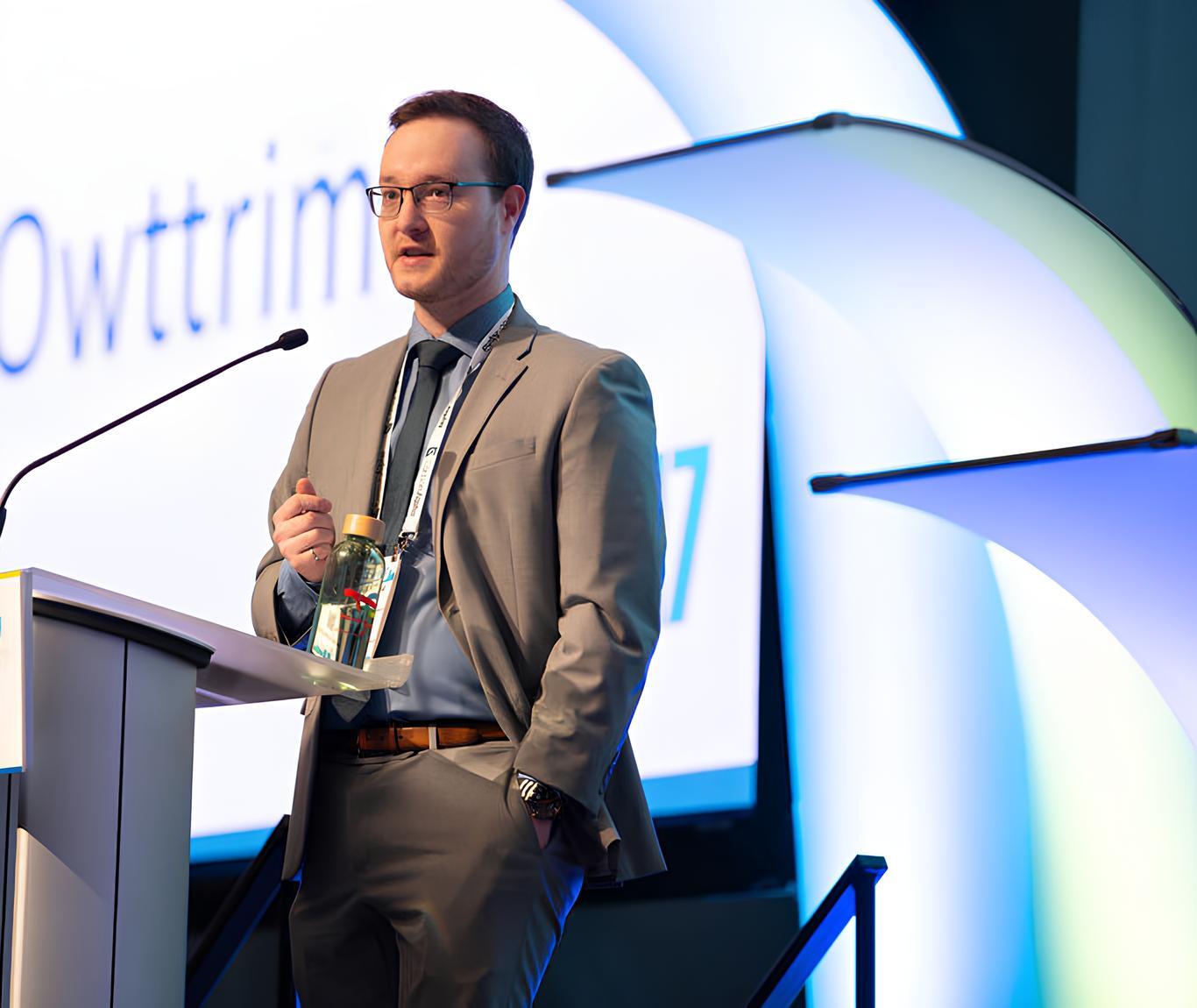
Sponsor and speak at events, roundtables, and webinars
ERA will continue to pursue earned media coverage from top-tier news organizations at the provincial, national, and international levels. This will include generating media coverage to share the Alberta clean technology and economic development story. ERA will work closely with project proponents and partners on their media relations activities to amplify ERA’s investments.
Secure media coverage
ERA will continue to pursue earned media coverage from top-tier news organizations at the provincial, national, and international levels. This will include generating media coverage to share the Alberta clean technology and economic development story. ERA will work closely with project proponents and partners on their media relations activities to amplify ERA’s investments.
Foster the Government of Alberta’s participation in funding announcements
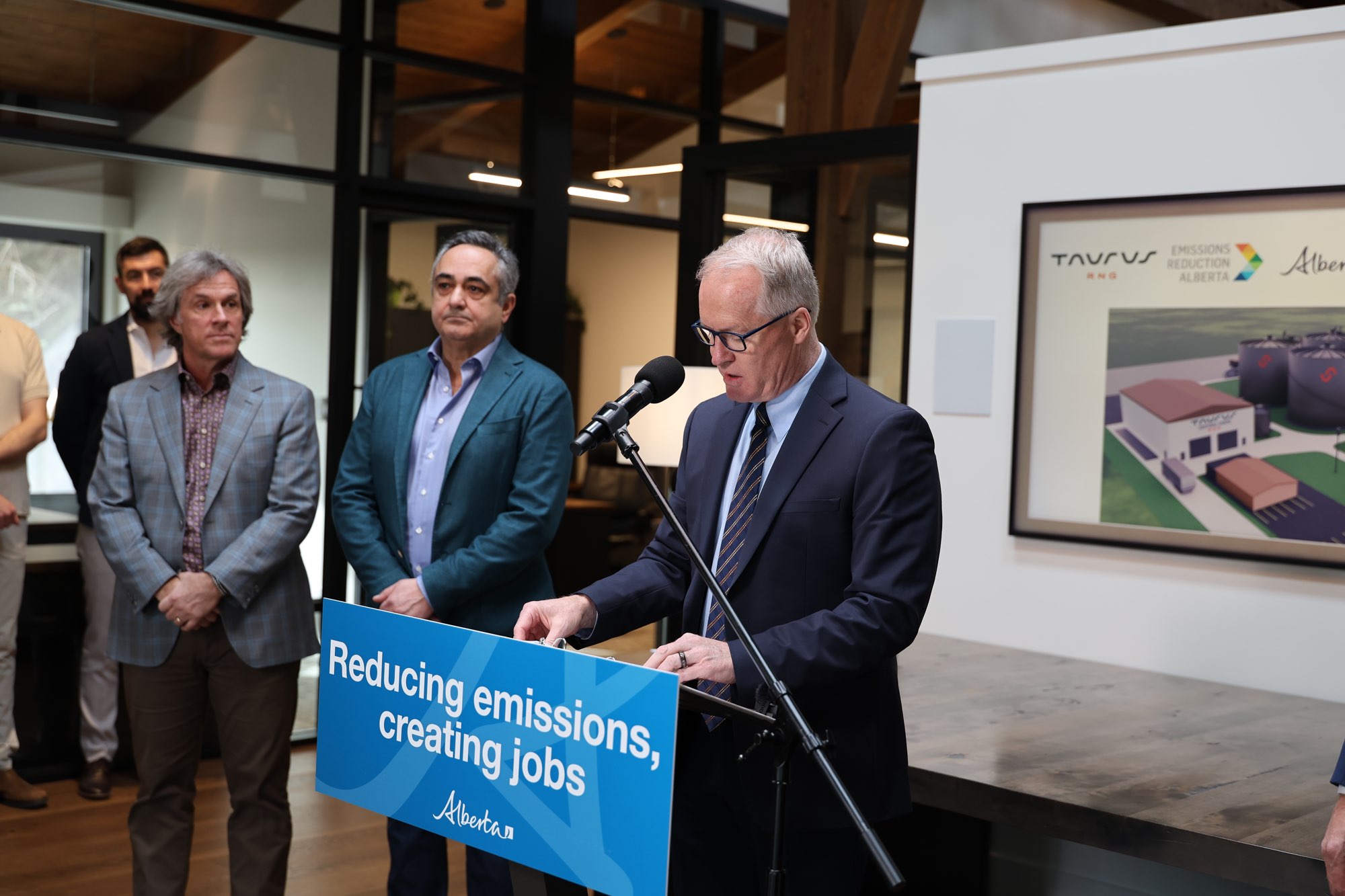
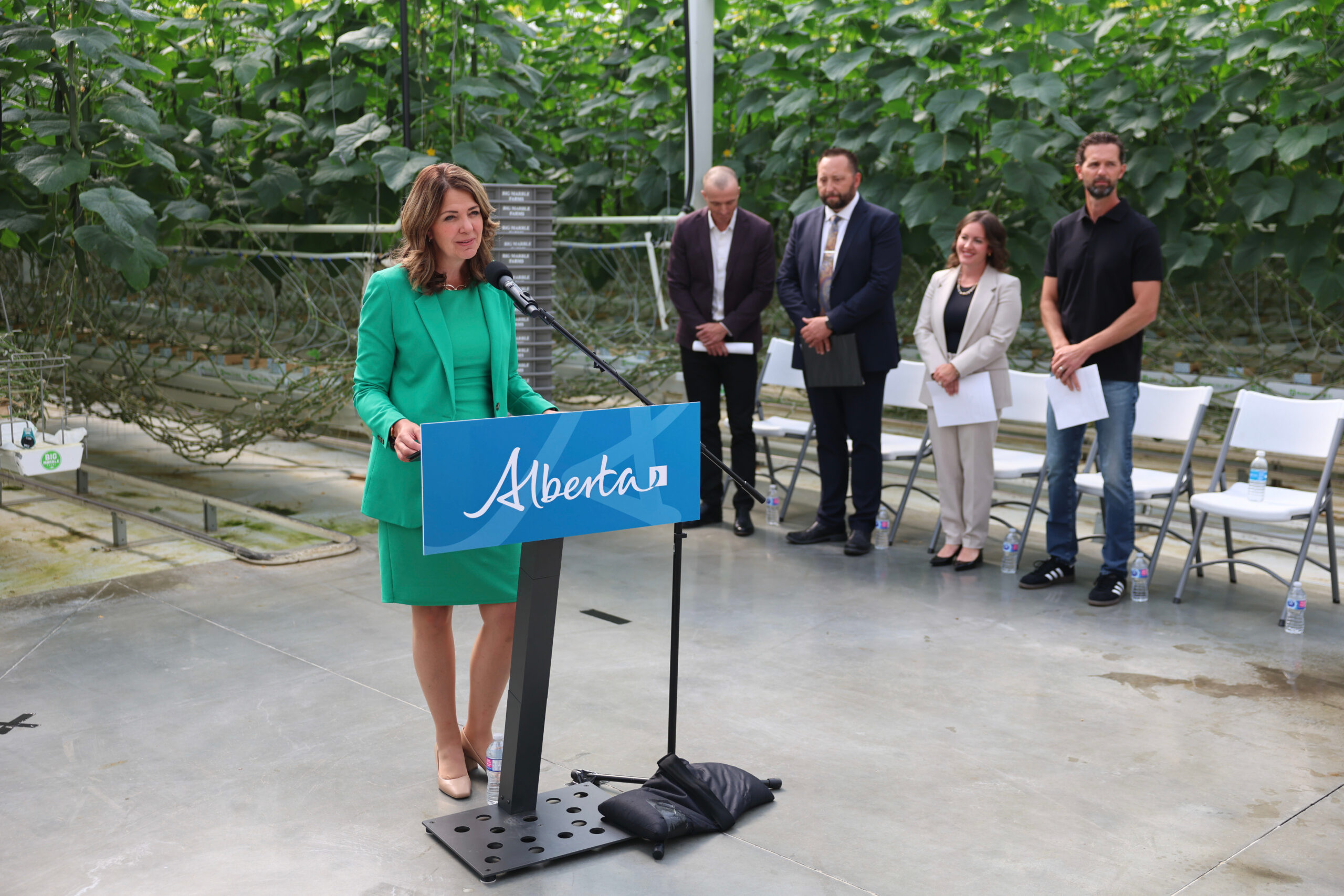
As an enabler of the province’s strategic communications outcomes, objectives, and activities, ERA aligns its annual Communications Strategy and Event Plan to ensure funding launches and project announcements are made in partnership with the Government of Alberta. This includes in-person or digital media events with participation from the appropriate Minister(s) and, where possible, the Premier of Alberta.
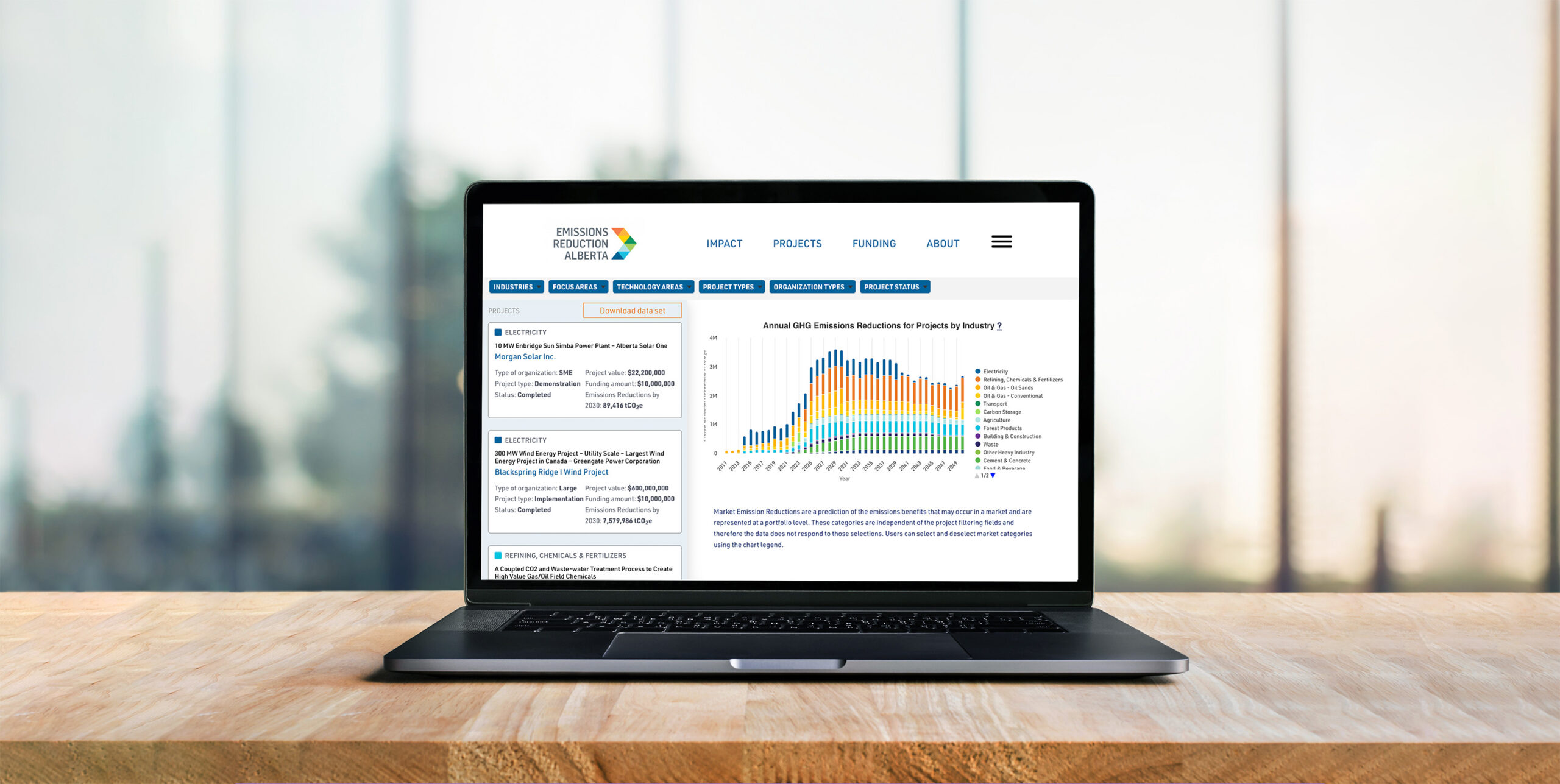
Promote and enhance ERA’s open data portal
ERA will continue to enhance its Open Data Portal to increase transparency and accessibility of the portfolio and emissions-reduction data. The portal enables users to explore project details, download datasets, and engage with interactive features to keep stakeholders informed on project progress and impacts.


Quantify and report emissions reductions
ERA has a vigorous quantification methodology that aligns with industry standards and is applied by a team of experts. In 2025, ERA refreshed its market emissions forecasting approach following an external audit. In 2026, ERA will begin implementing these recommendations and update its market emissions forecasts to support credible projections of emissions‑reduction impacts through 2050.
Implement updated project reporting processes
In 2026–29, ERA will implement updated processes to collect and share highlights from active projects for various communications tactics, such as newsletters, stewardship reports, videos, and podcasts. This process will also include reviewing final reports at project closeout and developing lessons-learned write-ups and knowledge-sharing plans.
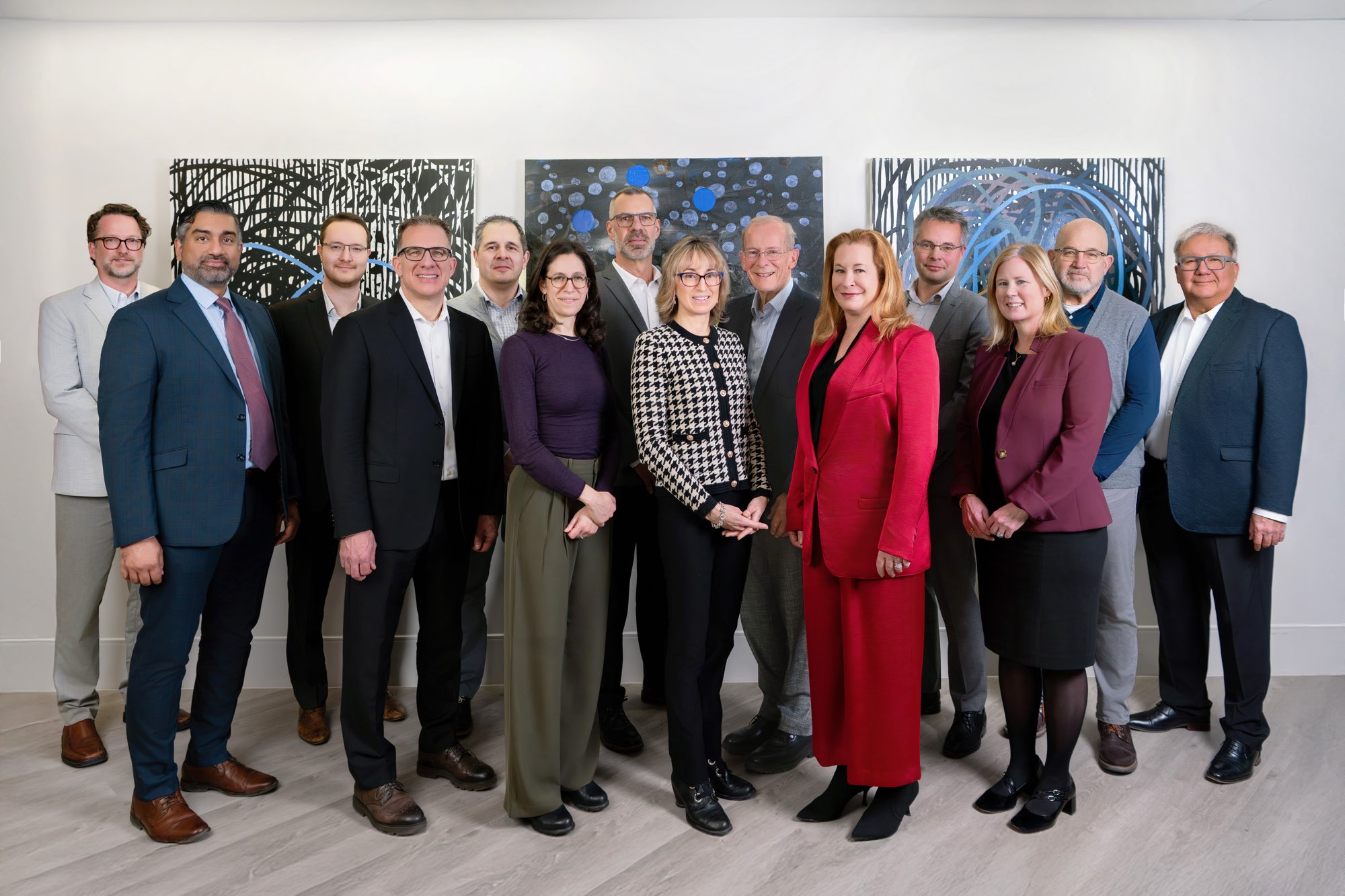
Continuous improvement of operations and governance
ERA’s approach to resourcing and capacity building is centred on the ability to scale in response to the needs of industry, government, and the innovation ecosystem. ERA will continue to hold staff and service providers to high standards, encouraging them to identify efficiencies and assist ERA in maintaining low operating costs while delivering high value for money.
