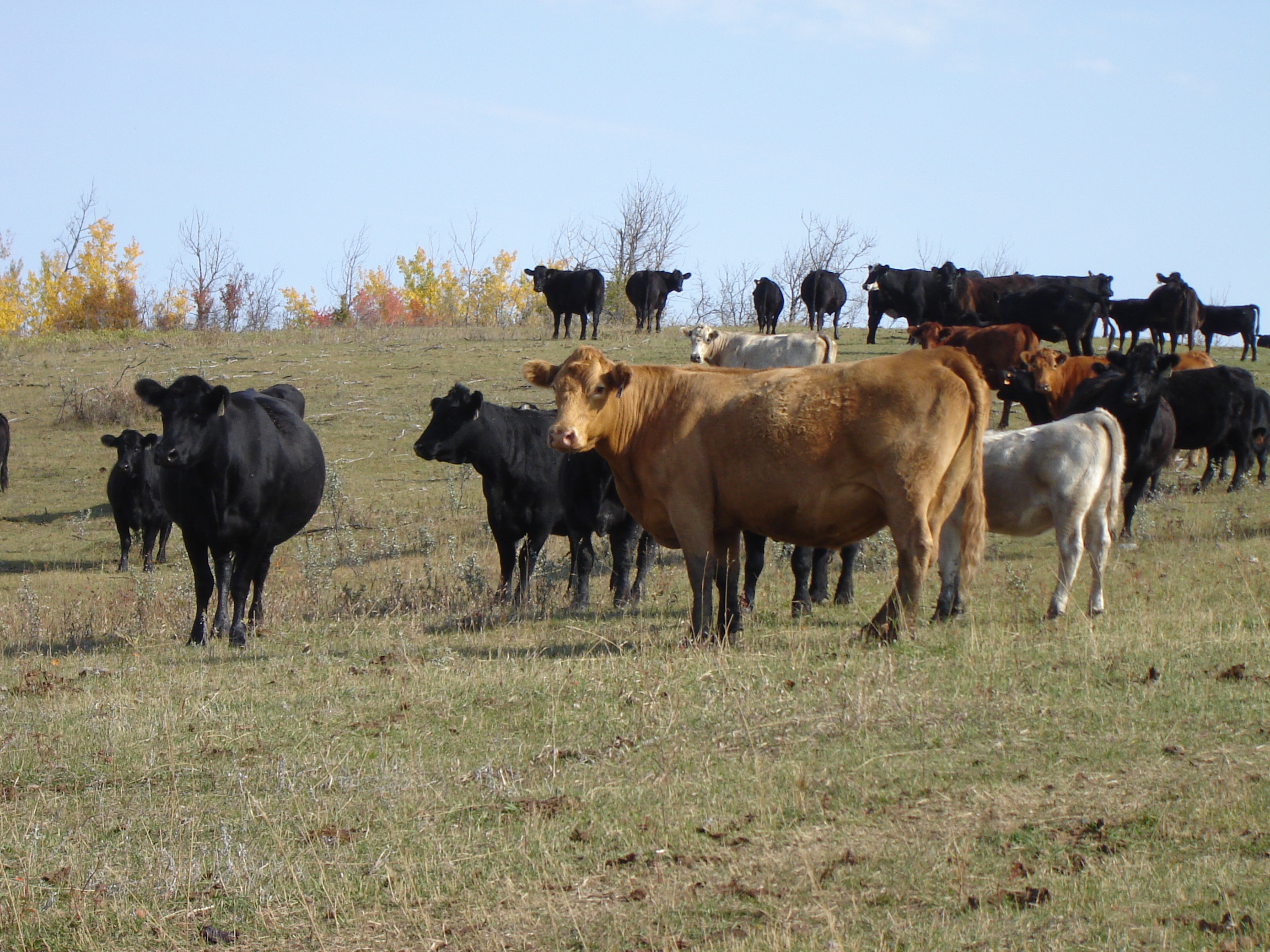
Agricultural emissions account for about 8.5 percent of Canada’s total greenhouse gas emissions, with cattle contributing roughly 31 percent of that total. But what if producers could raise cattle that eat less, emit less, and remain productive and profitable?
Supported by ERA’s Food, Farming, and Forestry Challenge, a team at Agriculture and Agri-Food Canada (AAFC) has developed a genomics-enhanced management platform for the beef industry. The tool provides producers with science-based insights to guide breeding decisions, improving both production efficiency and environmental sustainability.
“Genomic prediction can assess an animal’s genetic merit as soon as its DNA is analyzed, essentially right after birth,” said Dr. Changxi Li, Research Scientist at AAFC. “It’s especially useful for traits that are difficult or expensive to measure, such as feed efficiency or carcass merit.”
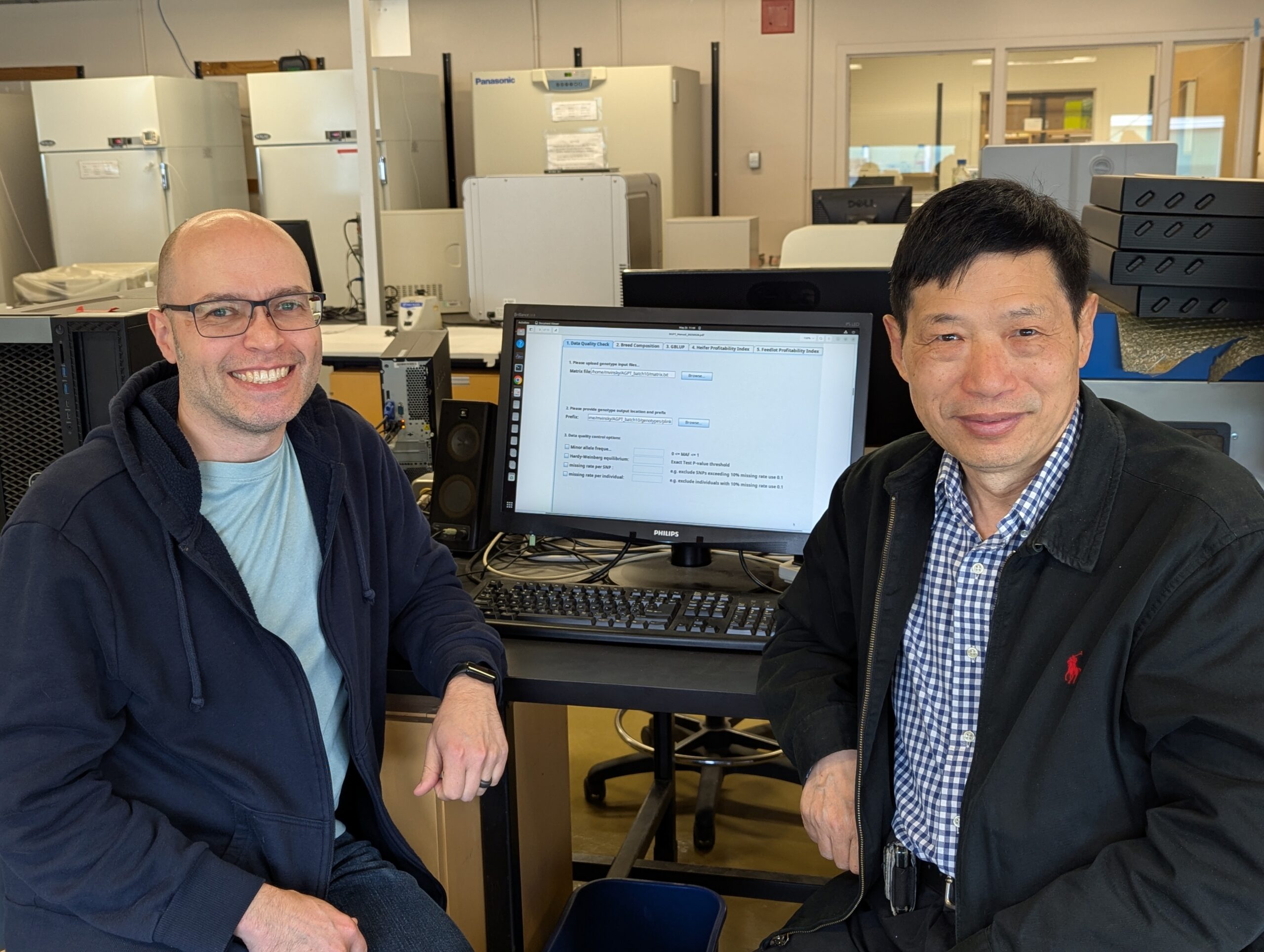
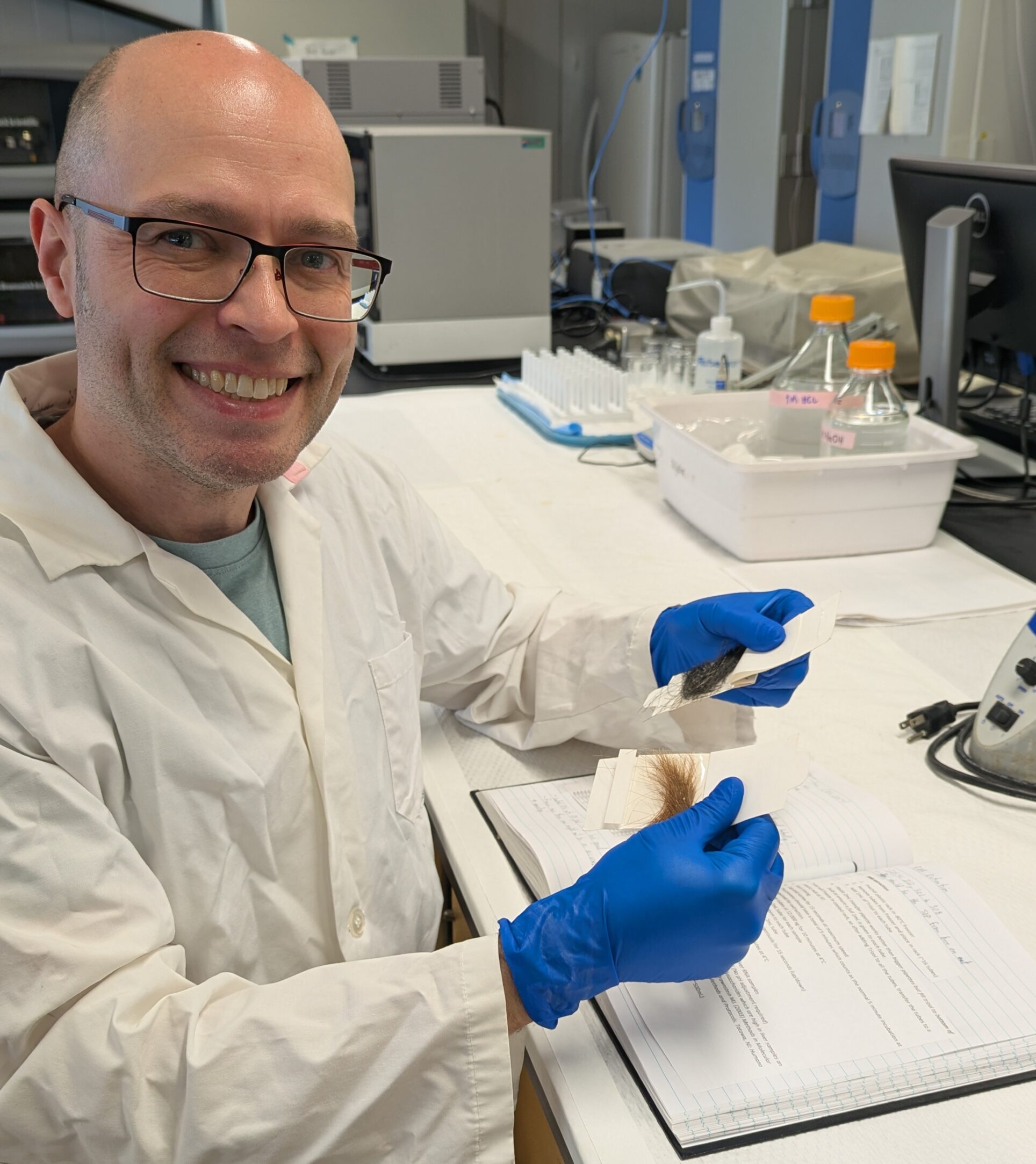
Over three years, the team analyzed genomic data from more than 10,000 animals and built a user-friendly web interface to deliver results directly to producers. The platform helps identify cattle with strong performance indicators, including feed efficiency, breed composition, and profitability potential. More feed-efficient cattle require fewer inputs and produce lower emissions over their lifetime, helping improve both environmental and economic performance.
“A key part of successful genomic prediction is a reference data set with both actual trait measurements and high-quality DNA marker genotypes for a large number of animals,” Li explained.
The platform has been transferred to Livestock Gentec, an Alberta Innovates Centre at the University of Alberta, where it will help drive broader industry adoption.
“The transfer has greatly facilitated wider deployment,” said Li. “Livestock Gentec has already begun applying these tools to 40,000 animals through a new project with a goal of helping producers improve their competitiveness and sustainability through enhanced genomic selection tools.This project, delivered by RDAR, is also funded by the federal and provincial governments through the Sustainable Canadian Agricultural Partnership.”
For producers, the benefits are clear: more efficient herds, lower input costs, and stronger alignment with the growing sustainability expectations of markets and consumers. As larger datasets are added and the tools continue to improve, the platform’s impact is expected to increase.
“Genomics is no longer just for the lab,” Li said. “It’s now a vital predictive tool soon to be in the hands of Canadian cattle producers, helping them build a more profitable, more sustainable future.”